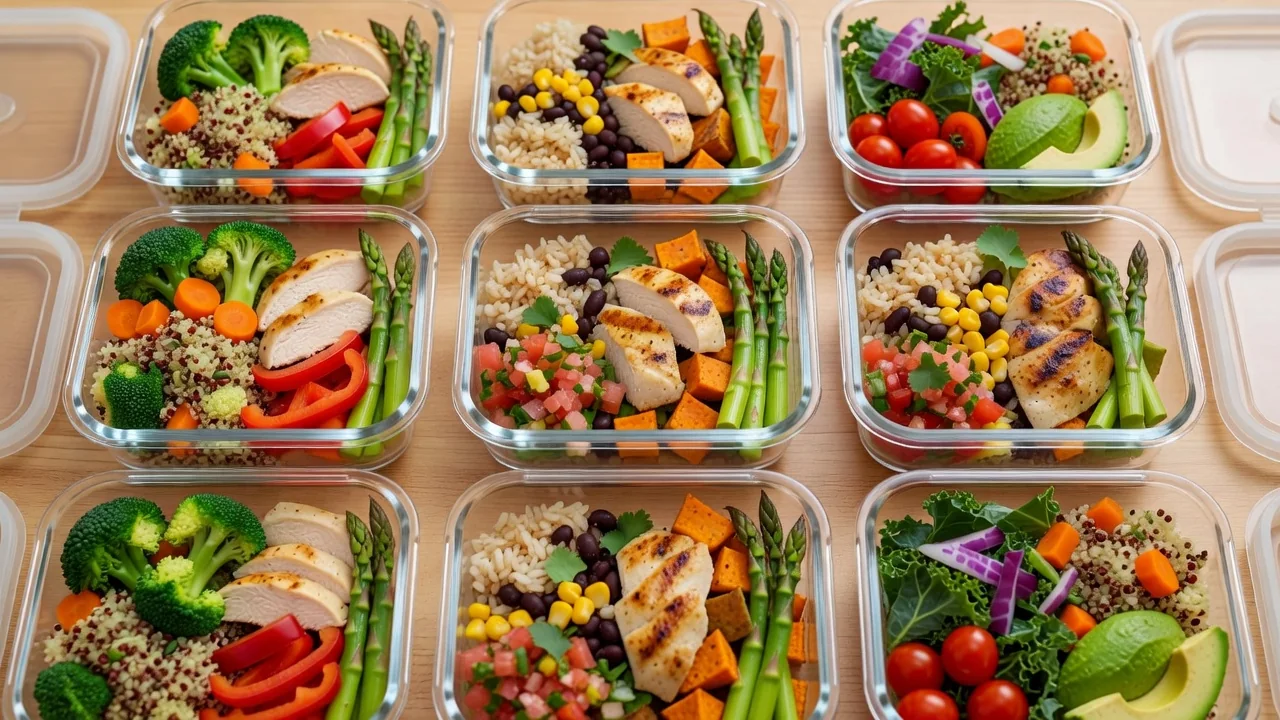
Healthy home cooking that actually lasts
Healthy home cooking fails when it is framed as restriction. The kitchens that sustain it treat it as technique: more vegetables cooked well, better fats, and flavor systems that make light food taste rich.
The plate framework
Half the plate vegetables, a quarter protein, a quarter whole grains or starches. It is not a diet rule but a shopping and cooking guide — when half your cutting board is vegetables, the proportions take care of themselves.
Swaps that actually work
| Instead of | Use | Why it works |
|---|---|---|
| Cream in soups | Blended white beans | Same body, more protein and fiber |
| Deep frying | High-heat oven roasting | Crust without oil bath |
| Sugar in dressings | Grated apple or carrot | Sweetness plus texture |
| Butter finishing | Olive oil and lemon | Richness with aroma |
Flavor without calories
- Acid first: a squeeze of lemon or splash of vinegar lifts any dish.
- Toast spices and nuts — aroma reads as richness.
- Char vegetables hard: browning is free flavor.
- Salt in layers, not at the end — less total salt, more taste.
The sustainable test
A healthy cooking habit is one you still enjoy in month three. If a "clean eating" plan makes you miserable by Friday, it is not a health plan, it is a countdown to takeout. Cook food you actually want to eat, built on the plate framework.